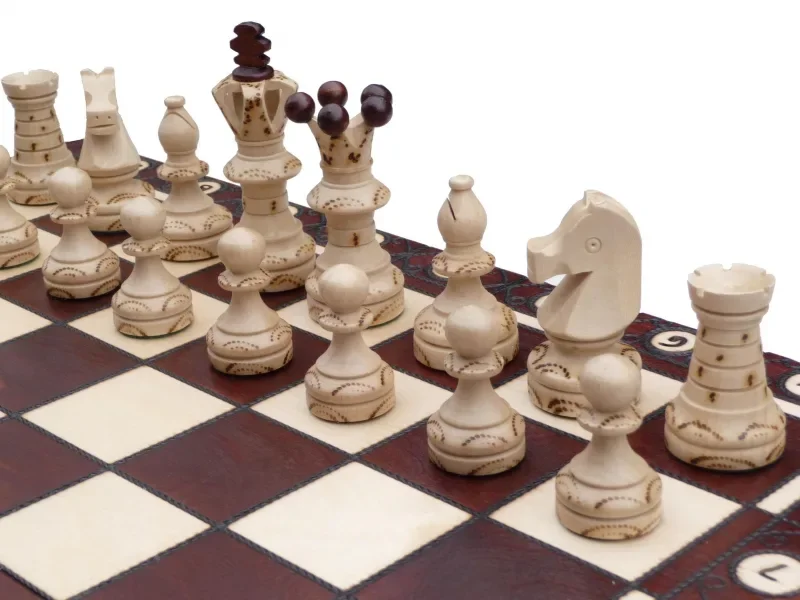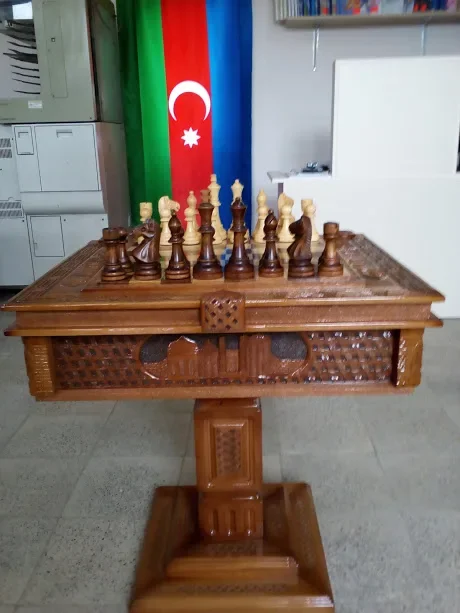

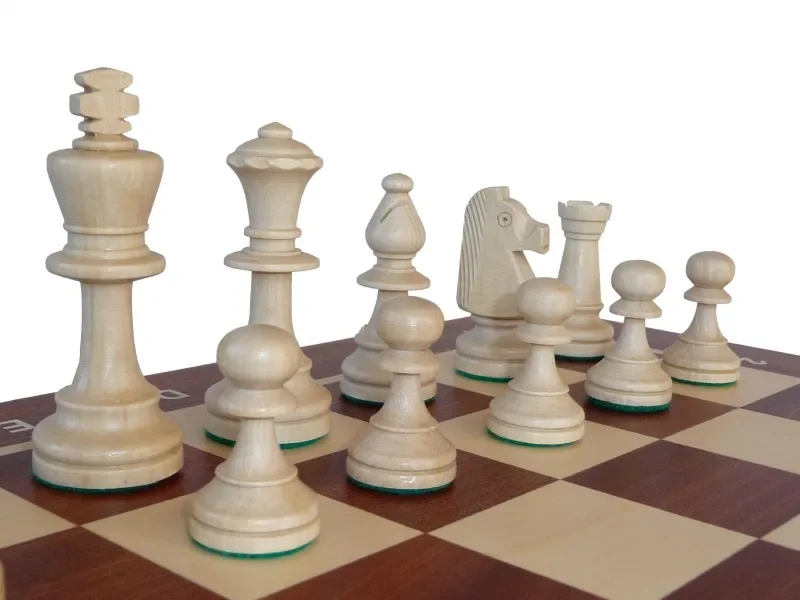
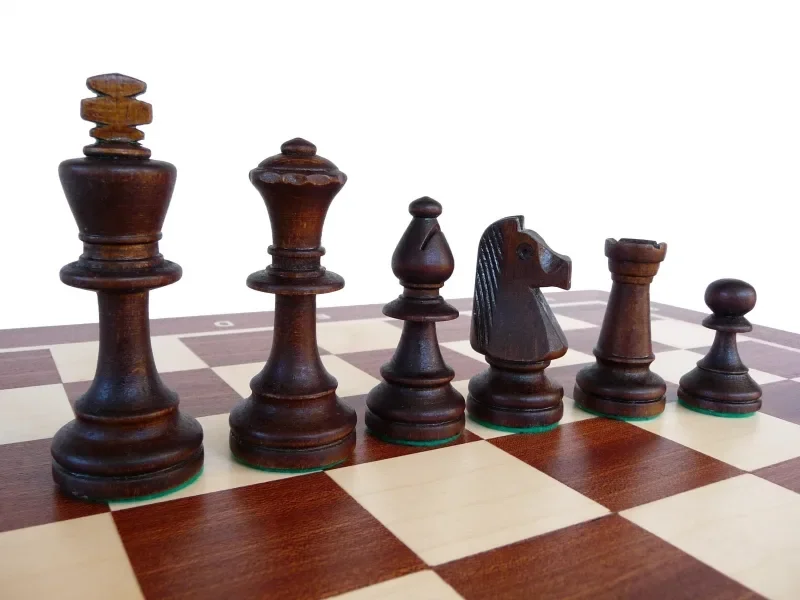
No matter what country you play chess in, the pieces placed on the board almost always look the same: a king with a cross, a queen with a coronet, a bishop with a slit, a rook in the shape of a castle, and a horse's head. This is no coincidence. This shape has a name and a history: Staunton.
Until 1849: Each Country Had Its Own Pieces
Until the mid-19th century, there was no uniform piece shape. The “Regence” style in France, the “Selenus” style in Germany, and other variations in England were widespread. In some sets, it was difficult to distinguish between a bishop and a pawn, or a queen and a king. When players from different countries met, getting used to the pieces took as much time as the game itself.
New Design and a Famous Name
In March 1849, Nathaniel Cooke registered a new piece design in London. Sets began to be produced that year by the Jaques of London company. The design got its name from the strongest English chess player of the era, Howard Staunton: he endorsed the set, and his signature was placed in every box. Interestingly, Staunton himself never claimed to be the author of the design — the question of authorship remains debated among historians to this day.
Why Did This Shape Win?
- Each piece is recognizable at first glance. The king's cross, queen's coronet, bishop's slit, and horse's head do not get confused with one another.
- Stability. A wide base and weighting placed inside keep the piece firmly on the board.
- Simplicity. No extra ornamentation — focus remains on the game.
- Suitability for production. The shape was easy to turn on a lathe, which is why sets spread quickly.
Over time, the Staunton shape became the tournament standard. The pieces used in official competitions today are a continuation of this very tradition.
How to Identify a Quality Staunton Set?
- Look at the knight. The knight is the hardest piece to carve; the level of craftsmanship is primarily visible in it. Clear detailing of the ears, mane, and mouth is a good sign.
- Check the weight. Weighted pieces feel better in the hand and do not easily tip over during play.
- Look at the base. The felt on the bottom protects the board from scratches and makes moving the piece silent.
- Choose the size to match the board. Pieces should neither be cramped in a square nor "get lost" there. We discussed this in a separate article.
The Staunton set is the most reliable choice for both beginners and experienced players: an eye accustomed to it feels at home on any tournament table.