
1851 During a break at the first international chess tournament held in London, two masters played a casual game. This game was unofficial and did not award any points. But for more than 170 years, chess players have been studying it. Adolf Anderssen played with the white pieces, and Lionel Kieseritzky played with the black pieces. The game was later named "The Immortal" by Austrian master Ernst Falkbeer.
King's Gambit — opening of the attacking era
The game began with the King's Gambit: white sacrifices the f-pawn and tries to seize the center and open files. In the 19th century, this opening was very popular — chess of that era valued attacks and sacrifices much more than defense.
Moves: 1.e4 e5 2.f4 exf4 3.Bc4 Qh4+ 4.Kf1 b5 5.B:b5 Nf6 6.Nf3 Qh6 7.d3 Nh5 8.Nh4 Qg5 9.Nf5 c6 10.g4 Nf6 11.Rg1 c:b5 12.h4 Qg6 13.h5 Qg5 14.Qf3 Ng8 15.B:f4 Qf6 16.Nc3 Bc5 17.Nd5 Q:b2
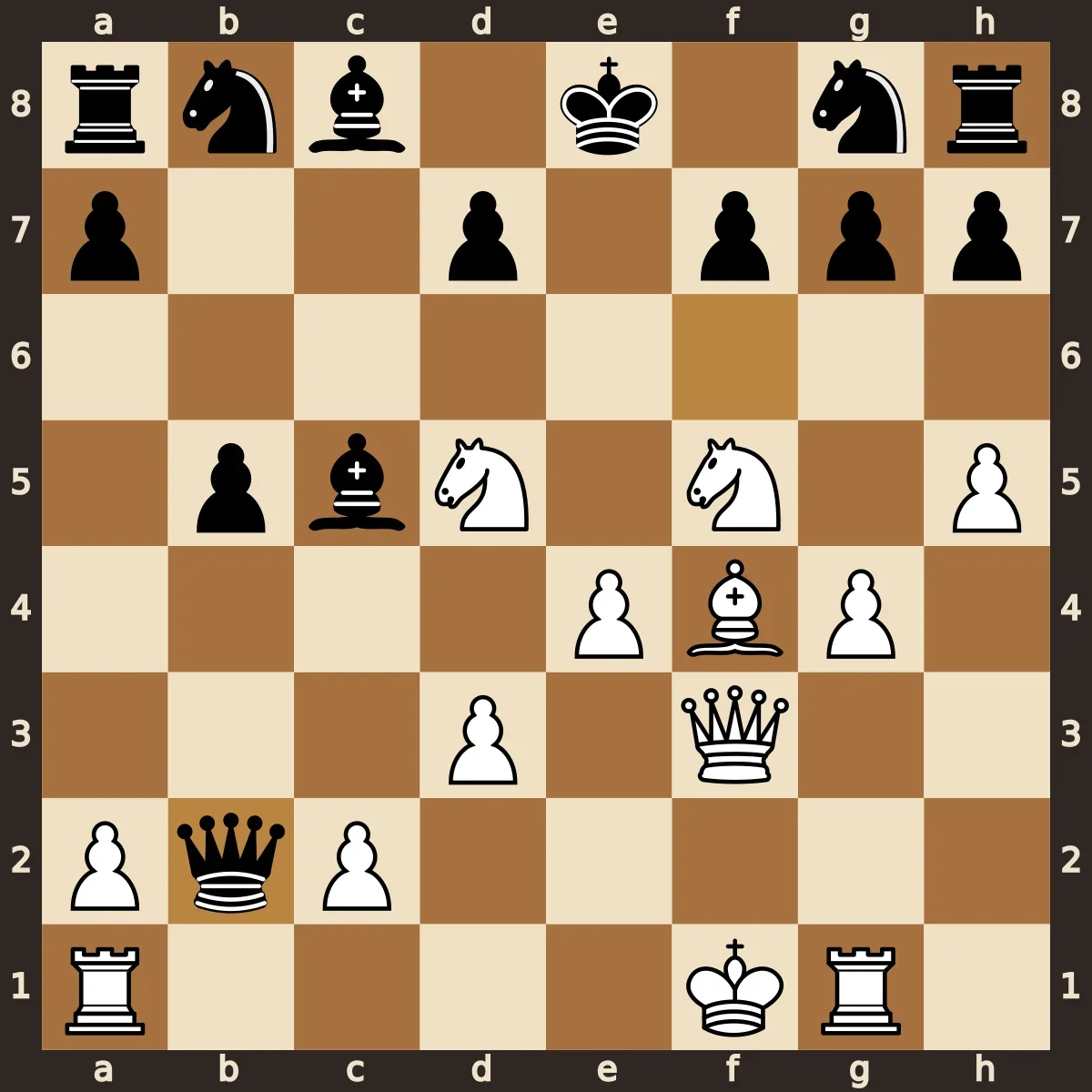
Sacrificing everything
Black's queen takes b2, threatening both the rook on a1 and the king. An ordinary player would try to save the rook here. Anderssen chooses a completely different path: he thinks about time and piece activity, not material.
18.Bd6!! — instead of defending the rook, the bishop cuts off the return path of the black queen. 18...B:g1 19.e5! Q:a1+ 20.Ke2 — white has already lost two rooks, but black's pieces are "asleep" in the corner of the board, while white's pieces surround the black king.
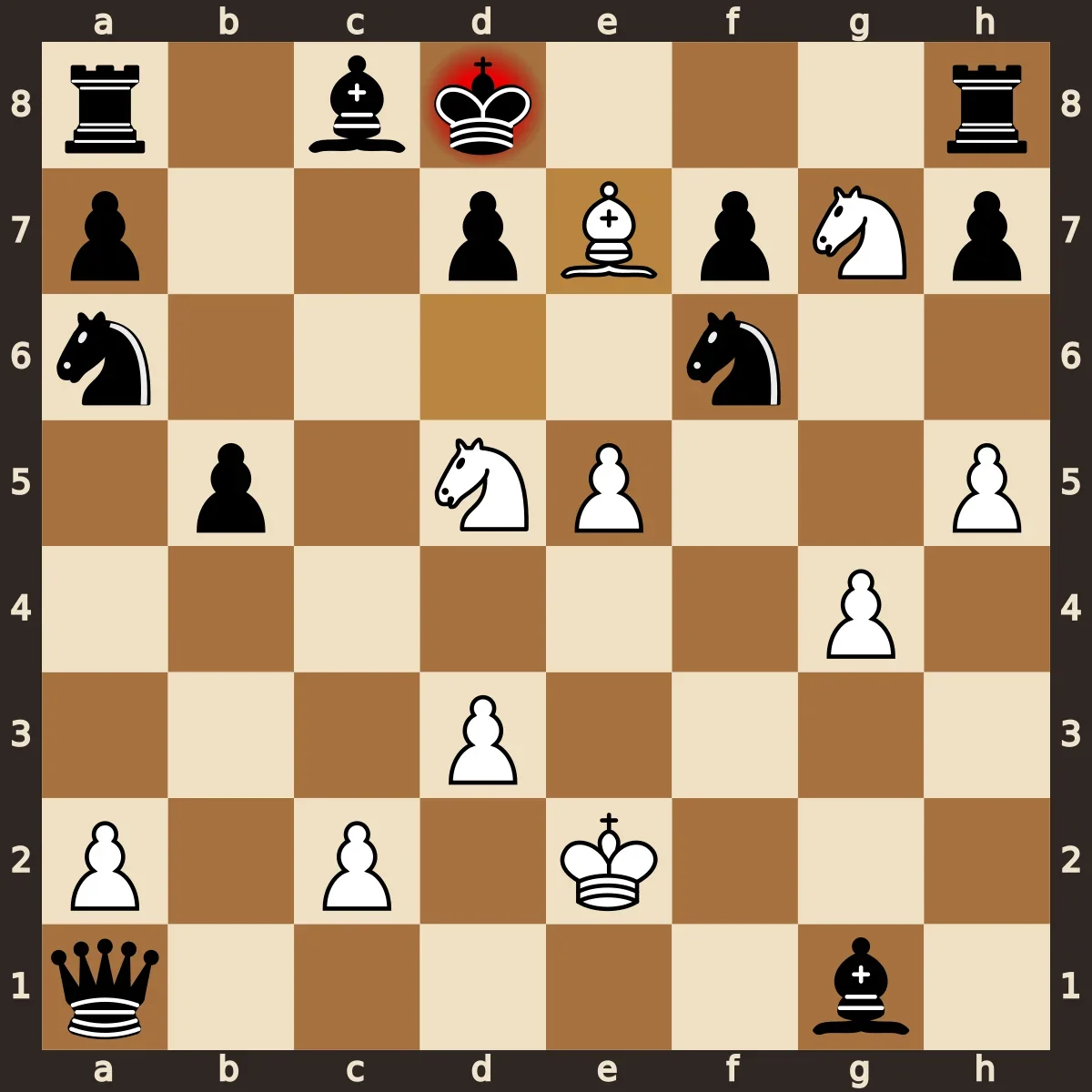
20...Na6 21.N:g7+ Kd8 22.Qf6+!! N:f6
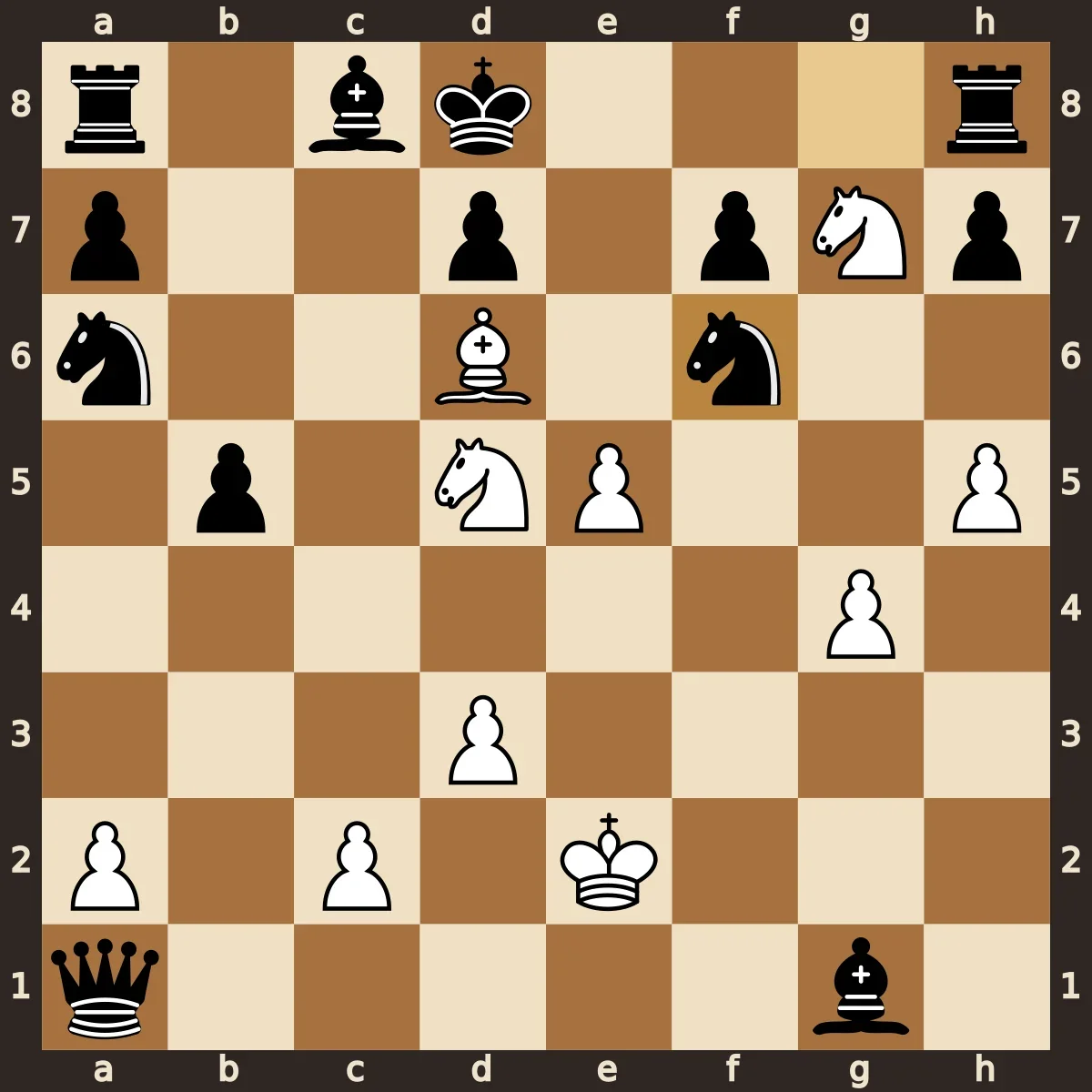
Final: 23.Be7#
White also gave up their queen. Only two knights, a bishop, and pawns remain for white on the board. But this is enough: 23.Be7# — checkmate!

What can be learned from this game?
- Activity can be more important than material. A piece participating in an attack is stronger than a queen stuck in the corner.
- Development. Black's queen entered the game early and made many moves, while other pieces stayed in place.
- King safety. A king left in the center becomes a target for even the smallest pieces.
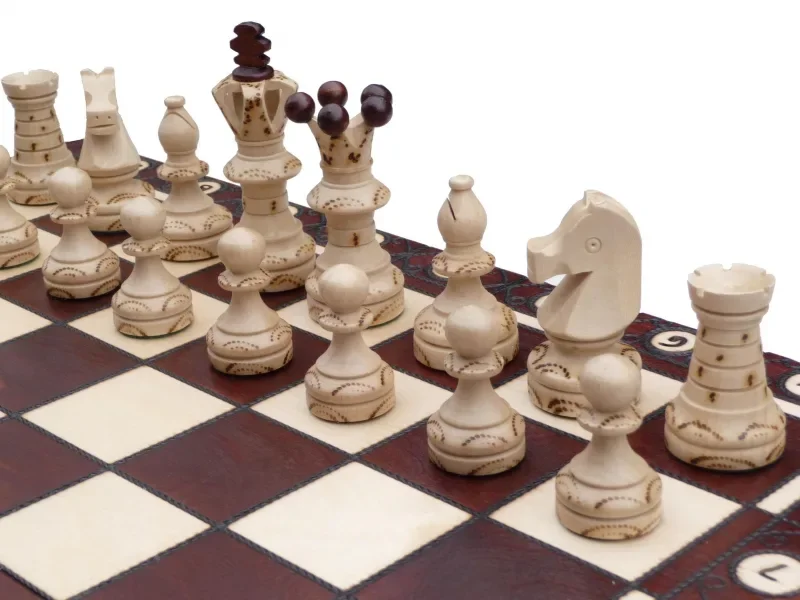
We recommend setting up this game move by move on your own board: seeing it on a screen is one thing, but moving the pieces with your hands makes the beauty of the sacrifices feel completely different.
Note: moves are given in standard English notation — K (king), Q (queen), R (rook), B (bishop), N (knight).